

- Advertisement -
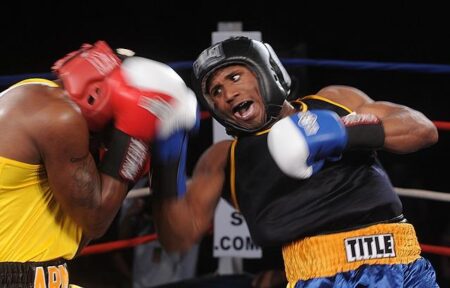
In an unexpected turn during a recent post-fight interview, Costa Rican defender Oscar Duarte sparked controversy by switching to English to deliver a sharp insult aimed at American boxer Richardson Hitchins. The incident has drawn widespread attention across the sports community, raising questions about sportsmanship and professionalism in high-stakes competitive environments. This article delves into the context of the altercation, the reactions from both athletes, and the broader implications for their respective careers.
Oscar Duarte Shocks Fans by Switching to English in Heated Exchange with Richardson Hitchins
In a surprising turn during last night’s ring-side confrontation, Oscar Duarte stunned onlookers by abruptly switching from his native Spanish to fluent English to hurl cutting remarks at fellow boxer Richardson Hitchins. The sudden language shift caught many off guard, amplifying the intensity of their heated verbal exchange. Witnesses described Duarte’s tone as “sharp and unrelenting,” signaling deep-seated tensions that had been simmering beneath the surface.
Key moments from the altercation included:
- Duarte’s precise and biting English insults, which seemed aimed at undermining Hitchins’ confidence.
- Hitchins’ composed yet firm responses, refusing to back down despite Duarte’s aggression.
- Referees and officials intervening quickly to prevent the argument from escalating further.
| Fighter | Language Used | Notable Quote |
|---|---|---|
| Oscar Duarte | English | “You don’t belong here, Hitchins.” |
| Richardson Hitchins | Spanish/English | “I’m here to fight, not listen.” |
Analyzing the Impact of Duarte’s Insult on the Boxing Community and Athletes’ Conduct
Oscar Duarte’s unexpected switch to English during his verbal jab at Richardson Hitchins has stirred a noticeable reaction across the boxing community. Traditionally known for maintaining a professional front, Duarte’s choice to insult in a language widely understood by his audience amplified the controversy. This incident has sparked intense debates on social media, with fans and pundits questioning the boundaries of athlete conduct in the sport. Many argue that while trash talk is ingrained in boxing culture, resorting to personal insults in a global lingua franca breaks unwritten codes of respect between fighters.
The fallout from Duarte’s outburst has prompted several promoters and trainers to revisit their approach to athlete behavior management. Discussions now emphasize the importance of maintaining professionalism without losing the competitive edge that fuels public interest. Below is a summary of key community reactions indicating a shift in expectations:
- Fans: Divided between excitement over the raw emotion and disappointment over perceived poor sportsmanship.
- Trainers: Call for stricter guidelines and media training to curb unprofessional outbursts.
- Promoters: Concerned about potential impacts on marketability and sponsorships.
| Aspect | Before Incident | After Incident |
|---|---|---|
| Perceived Athlete Conduct | Respectful, competitive | Questioned, divisive |
| Social Media Sentiment | Mostly supportive | Mixed with backlash |
| Promoter Actions | Focus on hype | Focus on damage control |
Experts Recommend Stricter Communication Guidelines to Prevent Future Verbal Altercations in Sports
In the wake of Oscar Duarte’s unexpected decision to switch to English during his heated exchange with Richardson Hitchins, communication experts are calling for more stringent regulations to manage conduct within sports arenas. The incident, which escalated quickly from typical competitive banter to outright verbal insults, has reignited debates about the lack of comprehensive guidelines addressing language use and verbal conduct during sporting events. Analysts emphasize that while passion fuels competition, unchecked emotional outbursts can tarnish the integrity of the sport and negatively impact its global image.
Proposed measures include imposing clear sanctions for language deemed offensive, mandatory communication training for athletes, and real-time monitoring by officials during events. An expert panel outlined the following key recommendations:
- Standardized language codes: Defining what constitutes inappropriate language across multilingual contexts.
- Behavioral workshops: Preparing athletes to handle provocations without resorting to insults.
- On-field communication review boards: A body responsible for immediate intervention and post-match analysis.
| Recommendation | Purpose | Expected Outcome |
|---|---|---|
| Language Codes | Clarify offensive language boundaries | Reduce misunderstandings & cultural offenses |
| Communication Workshops | Build emotional control skills | Lower instances of verbal altercations |
| Review Boards | Enforce accountability during matches | Ensure timely sanctions and fair play |
Closing Remarks
As tensions continue to rise between Oscar Duarte and Richardson Hitchins, the recent exchange marked by Duarte’s unexpected use of English to deliver a pointed insult adds a new layer of intrigue to their ongoing rivalry. Observers now await any potential responses from Hitchins or their camp, as this linguistic shift signals that the dispute may be entering a more public and confrontational phase. Stay tuned for further updates as this story develops.